Dental Emergency Plano TX Guide for Toothaches, Chips, and Cracks
A dental emergency rarely arrives at a convenient hour. It starts with a sharp bite of pain during lunch, a crack while chewing ice, or a child running in from the driveway with part of a front tooth in hand. In a growing city like Plano, where schedules are packed and commutes can stretch longer than expected, knowing what counts as urgent and what to do in the first hour can make a real difference.
The phrase Dental Emergency Plano TX often brings people straight to the same question: should I wait and watch, or should I get seen today? That decision is easier when you understand how toothaches, chips, and cracks behave, what symptoms raise concern, and what simple first steps help protect the tooth until a dentist can evaluate it.
Not every dental problem is a true emergency, but pain, swelling, trauma, and visible structural damage deserve respect. Teeth do not heal the way skin or bone can. Once enamel fractures, once decay reaches the nerve, or once infection starts spreading into the gums and jaw, time matters.
What actually qualifies as a dental emergency
People often use the word "emergency" loosely, but in dentistry it usually means one of three things. First, you have pain that is severe, escalating, or keeping you from eating, sleeping, or functioning normally. Second, there is infection, bleeding, or swelling that may spread or worsen quickly. Third, there is trauma or breakage that risks losing the tooth or exposing its inner layers.
A mild sensitivity that comes and goes with cold drinks may be uncomfortable, but it is not in the same category as a constant throbbing ache that wakes you at 2 a.m. A small cosmetic chip on the edge of a front tooth can sometimes wait a day or two. A crack that hurts every time you bite down cannot. The challenge is that patients often underestimate early warning signs, especially if the pain dulls for a few hours and then returns.
The teeth most likely to become emergencies are the ones that had a simmering problem beforehand. A small cavity, an old filling with leakage, heavy grinding, a past root canal, or a tooth weakened by a large restoration can all tip into sudden pain or fracture with one hard bite.
Toothaches, and why the pain can feel bigger than the problem
Tooth pain has a way of taking over your whole day. It can radiate into the ear, temple, jaw joint, or neck. Patients often point to one tooth, only to learn the source is the one next to it or the one above it. Nerves in the mouth can be misleading that way.
A classic toothache usually falls into one of a few patterns. There is the hot and cold sensitivity that lingers after the sip or bite is gone. That often suggests inflammation inside the tooth. There is the sharp pain on biting, which can point toward a crack, a loose filling, or inflammation around the root. Then there is the spontaneous throbbing ache, especially if it worsens when lying down. That raises concern for deeper pulp involvement, where the nerve tissue inside the tooth may be badly inflamed or infected.
Gum problems can mimic toothaches too. Food packed between two teeth can create localized soreness that feels surprisingly intense. An abscess in the gum may cause tenderness, swelling, and a bad taste. Sinus pressure can even make upper back teeth ache, which is why a careful exam matters more than a guess.
One practical detail many people miss is timing. If pain fades after a pain reliever, that does not mean the issue is minor. Over the counter medication can mask symptoms while the underlying infection or crack continues to worsen. The better question is whether the problem returns, intensifies, or adds new signs like swelling or pain on chewing.
Chips are not all the same
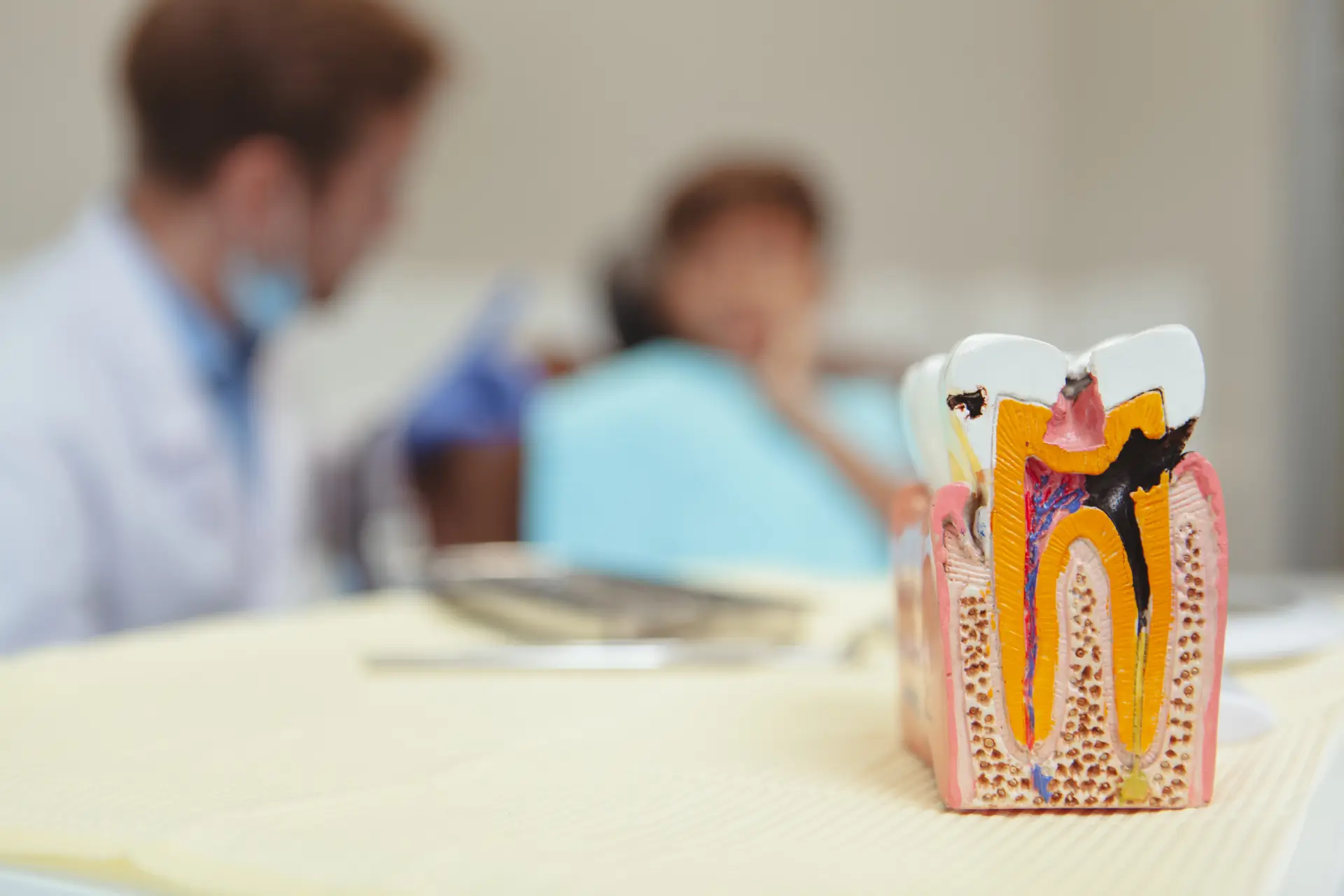
A chipped tooth can be barely noticeable or deeply disruptive. The difference depends on what layer of the tooth is involved. Enamel is the hard outer shell. Under that is dentin, which is softer and usually more sensitive. In the center is the pulp, where the nerve and blood supply live.
A tiny enamel chip from biting a fork or pen cap may have no pain at all. It may feel rough against the tongue, but it often remains a straightforward repair. Once dentin is exposed, the tooth may become sensitive to air, cold water, or sweets. If the chip is large enough to expose the pulp, pain can become severe, and infection risk rises quickly.
Front teeth are commonly chipped during sports, falls, and accidental bumps. Back teeth chip more often from pressure, grinding, or biting hard foods. I have seen people crack a molar on popcorn kernels, olive pits, hard candy, and even a seed in multigrain bread they did not know was there. It does not always take dramatic trauma, just the wrong force at the wrong angle on a tooth that was already vulnerable.
Cracks are trickier than they look
Cracks are the stealth injuries of dentistry. A chipped edge is easy to spot. A crack can hide below the surface, showing up only as a split-second pain when chewing. Some patients describe it perfectly: "It hurts when I bite, but mostly when I let go." That release pain is a classic clue.
Cracks vary widely. A superficial craze line in enamel may be harmless. A fractured cusp, often around a large filling, can break off and usually be repaired if treated promptly. A deeper crack running toward the root is more serious and sometimes threatens the survival of the tooth. Vertical root fractures are especially difficult because symptoms can come and go, and the damage may not always be obvious early on.
One reason cracked teeth deserve prompt attention is that they rarely improve on their own. Repeated chewing can flex the fracture line, irritate the nerve, and invite bacteria deeper inside. Some teeth can be saved with a crown if caught in time. Others eventually need root canal treatment, or in severe cases, extraction. Delay narrows options.
Red flags that should move you from "I can wait" to "I need a dentist now"
Pain tolerance varies, and many Plano patients are used to pushing through discomfort until a meeting, game, or family obligation is over. That instinct is understandable, but a few signs should override it.
- Swelling in the face, gums, or jaw, especially if it is spreading
- Fever, foul taste, or drainage from the gum near a painful tooth
- A cracked or broken tooth with significant pain or sensitivity
- Bleeding that does not stop after gentle pressure
- Trauma that loosens, displaces, or knocks out a tooth
If you are searching for Dental Emergency Plano TX care and one of those signs is present, same-day evaluation is the safer move. Swelling around the mouth and jaw can progress faster than people expect, and infections in this area should not be treated casually.
What to do in the first hour
The best first aid is simple, calm, and targeted. Do not test the tooth repeatedly to "see if it still hurts." Do not clamp down on it. Do not place aspirin directly on the gum, which can burn the tissue. The goal is to reduce irritation and preserve options until a dentist can examine you.
- Rinse gently with warm water to clear debris and soothe the area
- Use a cold compress on the outside of the face in short intervals if there is swelling
- Take an over the counter pain reliever as directed on the label, unless your physician has told you to avoid it
- If a piece of tooth broke off, save it in a clean container
- Avoid chewing on that side, and skip very hot, cold, or hard foods
A temporary dental cement from a pharmacy can sometimes protect a loose crown or reduce irritation from a jagged edge, but it is only a short-term bridge. It does not solve infection, nerve inflammation, or a structural fracture beneath the surface.
Toothaches that can become dangerous
Most toothaches are not life-threatening, but some cross into territory where waiting is risky. Infection is the main concern. A tooth abscess may begin with severe pain, but sometimes pressure drains and the pain lessens, giving false reassurance. If swelling remains, the infection has not resolved, it has simply found a path.
The mouth is richly supplied with blood vessels and connective spaces. In rare but serious situations, untreated dental infection can spread into deeper tissues of the face and neck. Trouble swallowing, difficulty breathing, rapidly increasing swelling, or fever with facial swelling deserves urgent medical attention, even beyond the dental office.
Children, older adults, and people with diabetes, immune suppression, or significant health conditions may be more vulnerable to complications. Pregnancy also changes the equation a bit. Dental infections should still be treated, and delaying care because of pregnancy is often the wrong move. Dentists routinely treat urgent problems during pregnancy with appropriate precautions.
The difference between a chip, a crack, and a broken cusp
Patients often use these words interchangeably, but they point to different patterns of damage.
A chip usually means a small piece has come off, often from the edge of the tooth. It may be mostly cosmetic or mildly sensitive. A crack implies a split in the tooth structure, visible or hidden, that may hurt under pressure. A broken cusp usually refers to a chunk of a chewing surface breaking off, commonly around a large filling in a molar.
That distinction matters because treatment changes. A small chip may need smoothing, bonding, or https://travisphtn885.lumenforgex.com/posts/how-to-respond-to-a-lost-filling-in-plano-tx a veneer depending on location. A broken cusp often needs a filling or crown. A cracked tooth may need a crown to hold it together, root canal treatment if the nerve is involved, or extraction if the fracture extends too far.
What a dentist looks for during an emergency visit
Emergency dental appointments are focused but thorough. The dentist is trying to answer a few core questions: what structure is damaged, is the nerve involved, is there infection, and can the tooth be predictably saved?
That usually means a history of when the pain started, what triggers it, how long it lingers, and whether swelling or trauma occurred. The exam may include percussion, which is gentle tapping on the tooth, bite tests, gum measurements, and x-rays. Some cracks do not show clearly on x-rays, which is why symptom pattern and clinical testing are so important.
Patients are sometimes disappointed when the emergency visit does not "finish everything" that day. In real practice, the first priority is to diagnose accurately, get pain under control, and stabilize the situation. Definitive treatment may happen the same day, or it may be scheduled after the inflammation calms, the area is reassessed, or a specialist is involved.
Common treatments for urgent tooth pain and fractures
A severe toothache from nerve inflammation may require a filling if decay is shallow, or root canal treatment if the pulp is irreversibly inflamed or infected. If the tooth is too damaged to restore, extraction becomes the practical choice. That can sound abrupt, but there are times when keeping a badly fractured or infected tooth creates more pain, cost, and risk than replacing it later.
For chips and fractures, treatment depends on depth and location. Bonding works well for many minor chips, especially on front teeth. Crowns are often the workhorse solution for cracked or weakened back teeth because they distribute force and protect remaining structure. If a crack has already reached the nerve, a root canal may be needed before the crown. Some fractures run below the gum line or split the root, and those cases are harder to save.
There is judgment involved here, not just mechanics. A hairline crack in a heavily loaded molar of a nighttime grinder is a different problem than a tiny enamel chip in a teenager's front tooth. A dentist should weigh the tooth's long-term outlook, not just patch what is visible that day.
Why some people wake up with an "emergency" that built for months
Dental emergencies often have a backstory. The patient who wakes up with half a molar missing may have had a large old silver filling expanding and stressing the tooth for years. The person with a sudden abscess may have ignored intermittent cold sensitivity all winter. The athlete with a fractured front tooth may have skipped the custom mouthguard because the stock one felt bulky.
That is not about blame. It is about pattern recognition. Most urgent cases begin as smaller, quieter problems. A filling that needs replacement, a bite that is too heavy on one cusp, unmanaged grinding, untreated decay, or missed hygiene visits can all set up a future emergency. In a city like Plano, where many people juggle demanding work and family schedules, it is common to postpone non-urgent care until the tooth forces the issue.
Special situations parents should know
Children present differently. A toddler who falls and bumps a primary tooth may not describe pain clearly, but changes in tooth position, bleeding around the gums, or reluctance to bite deserve prompt evaluation. A chipped baby tooth is not automatically harmless just because that tooth will eventually fall out. Damage near the nerve can still cause pain or infection, and trauma can sometimes affect the developing adult tooth underneath.
With older kids and teens, sports injuries are common. If a permanent tooth gets knocked out, time is critical. The best immediate step is to handle the tooth by the crown, not the root, rinse it gently if dirty, and try to place it back in the socket if possible. If that is not realistic, storing it in milk or a tooth preservation solution is generally better than letting it dry out. Getting to a dentist quickly can improve the odds of saving it.
Plano-specific realities that affect emergency care
Every community has its own rhythm, and Plano is no exception. Long workdays, school athletics, weekend tournaments, and traffic between neighborhoods can all stretch response time. That is why practical planning matters. Know where you would call for a same-day exam before you need one. If you have children in sports, keep a small dental first-aid kit at home and in the car. If you grind your teeth or already have several crowns, treat sudden biting pain as something worth checking early, not later.
The local climate plays a small role too. During hot months, dehydration and dry mouth can intensify discomfort and increase cavity risk over time, especially in patients taking medications that already reduce saliva. That does not create an instant emergency, but it contributes to the long chain that leads to one.
How to tell if the pain is coming from a tooth or something nearby
Not every urgent mouth pain starts in the tooth itself. A sinus flare can create pressure in the upper molars. Jaw muscle strain from clenching can mimic diffuse tooth pain. A gum infection around a partially erupted wisdom tooth can feel like a back tooth issue. Food impaction between two teeth can be surprisingly sharp and localized.
Still, it is difficult to sort this out at home. One clue is trigger pattern. Tooth nerve pain often reacts clearly to temperature and sweets. Crack-related pain is more mechanical and tied to biting. Gum irritation may feel more tender to touch, flossing, or pressure between teeth. Sinus-related discomfort often affects several upper teeth and may worsen when bending forward.
Even with those clues, people guess wrong all the time. When the pain is strong, persistent, or paired with swelling, diagnosis should not rest on self-testing.
Preventing the next emergency
The most effective prevention is not glamorous. It is steady maintenance and paying attention to changes early. A tiny rough spot, a fleeting zing with ice water, or a crown that feels just a bit different can be the first sign that a tooth is under strain.
Patients who want to avoid another urgent visit usually do well with three habits. They keep routine exams and x-rays so cracks, decay, and failing restorations are caught before they blow up. They protect high-risk teeth with nightguards or mouthguards when indicated. And they stop using teeth as tools for packages, bottle caps, and fingernail shortcuts, which sounds obvious until you notice how many adults still do it.
There is also a money angle worth stating plainly. Treating a small cavity or replacing a worn filling is almost always less disruptive and less expensive than emergency care for an abscessed or fractured tooth. Delay can turn a manageable repair into a crown, a root canal, or a tooth replacement discussion.
When "watching it" makes sense, and when it does not
There are situations where brief observation is reasonable. A tiny painless enamel chip, mild gum soreness after food gets stuck, or sensitivity that resolves quickly after whitening products can sometimes be monitored for a short window while arranging a non-urgent visit.
What does not belong in the watch-and-wait category is pain that is escalating, pain on biting that suggests a crack, any visible swelling, a broken filling that leaves a sharp or hollow area, a large fracture, or temperature sensitivity that lingers for many seconds after the trigger is gone. Those problems tend to drift in one direction, worse.
For anyone searching online for Dental Emergency Plano TX, the safest rule is straightforward: if the pain is interfering with normal life, if the tooth structure is visibly damaged, or if swelling is involved, get professional guidance the same day whenever possible. The aim is not just relief, it is preserving the tooth and preventing a more serious setback.
A toothache, chip, or crack rarely improves because you were busy. It responds to timely diagnosis, measured treatment, and a little urgency in the right moment. That is what keeps a bad afternoon from becoming a much bigger problem by the weekend.
Vitality Dental
Address: 1220 Coit Rd #106, Plano, TX 75075
Phone number: +19726454100
FAQ About Dental Emergency Plano TX
What can the ER do for a tooth?
An emergency room (ER) can manage pain and treat severe infections with medication, but it cannot fix or pull a tooth.
What is considered a dental emergency?
A dental emergency is any oral health problem that involves severe pain, uncontrollable bleeding, or an infection that threatens your health or requires immediate care to save a tooth.
Is there a 24-hour dental service in Plano, TX?
There is no physical dental clinic in Plano, Texas, that stays open with walk-in staff 24 hours a day, but several offices offer 24/7 phone support, late-night hours, or same-day emergency care.