How to Keep Up With Preventive Care With a General Dentist in Santa Clarita CA
Preventive dental care sounds simple on paper. Brush, floss, show up twice a year, repeat. In real life, it is rarely that neat. Work schedules change, school calendars get crowded, insurance resets in the middle of holiday season stress, and a small sensitivity that seemed harmless in March https://finnvvxt706.quillnesty.com/posts/how-to-keep-up-with-preventive-care-with-a-general-dentist-in-santa-clarita-ca suddenly turns into a cracked filling in October.
That is why keeping up with preventive care is less about perfection and more about building a system that works in your actual life. If you are trying to stay consistent with a General dentist Santa Clarita CA residents trust, the goal is not to become the ideal patient. The goal is to make dental care routine enough that minor problems stay minor, your cleanings happen on time, and you are not making appointments only when something hurts.
In a place like Santa Clarita, where families are balancing commuting, school sports, after-school activities, and packed workweeks, preventive care tends to slide for very ordinary reasons. I have seen the same pattern repeatedly in dental practices and in conversations with patients. People are not neglectful. They are busy. They often assume a few extra months will not matter. Sometimes that is true. Sometimes those few months are exactly when plaque hardens into tartar, a tiny cavity deepens, or early gum inflammation becomes harder to reverse.
The good news is that preventive care is one of the easiest parts of health care to get back under control once you know what to watch and what to prioritize.
What preventive care really includes
When people hear the phrase "preventive care," they usually think of a cleaning. A cleaning is important, but it is only one piece of the picture. Preventive dentistry includes regular exams, professional cleanings, periodic X-rays when clinically appropriate, oral cancer screenings, gum evaluations, fluoride recommendations when needed, and practical guidance on home care habits.
A routine visit to a general dentist often catches issues before you feel them. Early enamel wear, a filling beginning to fail, clenching damage, receding gums, or the first signs of periodontal disease do not always cause pain. In fact, pain is often a late development. Waiting for discomfort is one of the costliest habits patients fall into because by the time something hurts, treatment tends to be more involved.
A general dentist is also looking at how your oral health connects to your daily routine. Dry mouth from medications, mouth breathing at night, sports drinks during summer practice, constant snacking while working from home, and stress grinding can all affect what kind of preventive plan makes sense for you. Good care is not generic. It is adapted.
Why consistency matters more than intensity
Some patients go through stretches where they become extremely diligent for a few weeks. They buy a water flosser, premium toothpaste, whitening strips, and a new electric brush head all at once. Then life resumes its normal speed and those efforts fade.
Dental health responds better to consistency than bursts of effort. Thorough brushing twice a day matters more than one aggressive brushing session after you realize you missed flossing for four nights. Keeping a six-month recall matters more than trying to compensate for a delayed year with one extra-long cleaning appointment.
This is especially true with gum health. Gingivitis can often improve with steady home care and regular professional cleanings. If inflammation is ignored long enough, it can progress toward periodontal disease, which is far more difficult and expensive to manage. The same principle applies to cavities. A tiny area of demineralization may be watched or treated conservatively, while a larger lesion can require a filling, crown, or root canal if neglected.
Preventive care works quietly. It does not feel dramatic, which is part of why people undervalue it. Its success is measured by what never develops.
Choosing a general dentist who makes follow-through easier
If you want to keep up with care, convenience matters more than most people admit. A highly skilled dentist who is difficult to reach, hard to schedule with, or poor at explaining treatment may not be the right long-term fit for your preventive routine.
When looking for a General dentist Santa Clarita CA patients can realistically stay with, think beyond credentials alone. Consider whether the office has appointment times that work with your life, whether reminders are reliable, whether insurance questions are handled clearly, and whether the dentist communicates in a way that helps you understand priorities. Patients are much more likely to follow through when they know which issue needs attention now and which can be monitored.
Location also matters. Santa Clarita traffic may not rival downtown Los Angeles, but anyone who has tried to fit an appointment between school pickup and a commute knows that distance and timing can become enough friction to postpone care for months. An office that is easy to get to from home, work, or your child’s school often improves compliance more than people expect.
There is also a softer factor that should not be ignored: trust. Patients keep preventive appointments when they feel respected, not lectured. A good general dentist can tell the difference between a patient who does not care and a patient who is simply overwhelmed.
The six-month rule is a starting point, not a law
Twice-yearly cleanings are a common recommendation because they work well for many adults with relatively stable oral health. Still, not everyone falls neatly into that schedule.
Some patients benefit from more frequent visits, especially if they have a history of gum disease, heavy tartar buildup, dry mouth, frequent cavities, diabetes, orthodontic appliances, or trouble cleaning effectively at home. Others with excellent oral hygiene, low decay risk, and healthy gums may find that a standard six-month interval remains appropriate.
The important point is that your schedule should reflect risk, not habit alone. A teenager in braces, a pregnant patient with increased gum sensitivity, and a retiree taking several medications that reduce saliva do not all have the same preventive needs.
A reliable general dentist will tailor recall intervals and explain why. If your office recommends more frequent periodontal maintenance, ask what they are seeing clinically. Good explanations build cooperation. Vague warnings do not.
How to make appointments stop slipping
Most missed preventive care is not caused by fear. It is caused by delay. Someone means to call next week, then next month arrives, then summer travel starts, then school begins again.
The most effective fix is to reduce the number of decisions you have to make later. Before leaving your current appointment, schedule the next one. That one habit prevents a remarkable amount of drift. If your work schedule changes often, reserve a tentative time and ask about the office’s rescheduling window.
It also helps to connect dental visits to fixed points in your year. Some families book every six months around birthdays. Others do one round before the school year and one during winter break. For adults with flexible benefits, planning around insurance timing can prevent year-end scrambling.
If you tend to postpone care because of cost uncertainty, ask for estimates in advance whenever possible. People often avoid making appointments because they fear an unpleasant financial surprise more than the treatment itself. Clarity removes friction.
Here are a few practical habits that make preventive care much easier to maintain:
- Schedule your next cleaning before you leave the office.
- Put dental visits on the same level as annual physicals and school deadlines, not as optional errands.
- Ask for text or email reminders if phone calls are easy to miss.
- Keep a running note of any sensitivity, bleeding, or questions so you address them at the visit.
- If mornings or late afternoons fill fast, book several months ahead.
None of these steps is complicated. Their value comes from being repeatable.
Home care is where most preventive success is won
Professional visits matter, but your dentist only sees you a few times a year. The condition of your teeth and gums is shaped mostly by daily habits at home. That means the preventive plan your dentist recommends should be realistic enough for you to keep doing after the appointment glow wears off.
Brushing technique still matters more than many adults realize. Two minutes, twice a day, with a soft-bristled brush and fluoride toothpaste is the baseline. If you use an electric toothbrush well, that can help with consistency and plaque removal, especially for people who brush too hard or rush manual brushing. But the best toothbrush is still the one you use properly and regularly.
Flossing remains the most skipped part of oral hygiene. Patients often say they know it matters, but they do not maintain it because it feels inconvenient or because their gums bleed when they start. Bleeding is often a sign of inflammation, not a reason to stop. In many cases, consistent flossing reduces that bleeding over time. If traditional floss is hard for you, interdental brushes, floss picks, or a water flosser may be better than doing nothing.
Diet has a bigger influence than many people expect. Sugar frequency often matters as much as sugar quantity. Sipping sweetened coffee all morning, grazing on crackers during long workdays, or using sports drinks regularly can keep the mouth in a more cavity-prone state. This does not mean you need a perfect diet. It means reducing constant exposure helps.
Saliva is another overlooked protective factor. Dry mouth raises cavity risk because saliva helps neutralize acids and wash away food debris. Patients taking antihistamines, antidepressants, blood pressure medications, or certain sleep aids often deal with this without realizing how much it affects their dental health. A general dentist may suggest fluoride products, xylitol-containing options, more frequent cleanings, or simple hydration strategies depending on the cause.
What a general dentist is watching for during preventive visits
A preventive appointment may feel routine to you, but a lot is being assessed during that short window. The dentist is not just checking for cavities. They are watching for changes over time.
A small crack line on one visit may be harmless, but if it deepens or becomes symptomatic six months later, the context matters. Gum measurements help track whether inflammation is stabilizing or progressing. Bite changes, clenching wear, recession, old dental work nearing the end of its lifespan, and tissue changes inside the cheeks or tongue all deserve attention.
For children and teens, preventive care has another layer. Dentists monitor eruption patterns, hygiene challenges around orthodontic appliances, sealant needs, sports-related risks, and early habits that can shape long-term oral health. For adults, the conversation often expands to stress, restorative maintenance, cosmetic concerns, and how general health changes are affecting the mouth.
One of the most useful parts of seeing the same general dentist consistently is continuity. Trends become easier to spot when the provider knows your baseline.
The role of X-rays, and why timing varies
Patients sometimes wonder whether X-rays are necessary at every preventive visit. Usually, they are not. The frequency depends on your risk factors, your age, your history of cavities or gum disease, and what the dentist needs to evaluate.
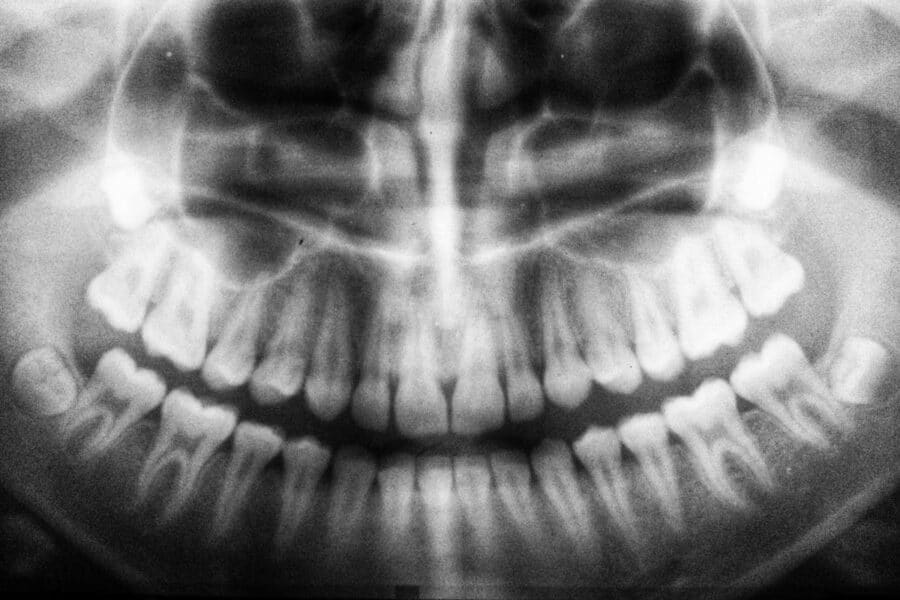
Bitewing X-rays are often used to detect decay between teeth and assess bone levels, while panoramic or full-mouth imaging may be used at broader intervals for different diagnostic reasons. Someone with a long history of stability may need imaging less often than a patient with recurrent decay, extensive dental work, or symptoms that require closer evaluation.
This is one area where communication matters. If you understand why imaging is recommended, you are less likely to see it as a routine add-on and more likely to recognize its role in prevention. Many problems are not visible during a visual exam alone.
When life gets hectic, know which signs should move you up the schedule
Preventive care is built around routine visits, but some changes should not wait until your next cleaning. Small symptoms can mean different things, and timing matters.
Contact your dentist sooner if you notice any of the following:
- Bleeding gums that persist despite improved brushing and flossing
- Sensitivity to cold, sweets, or pressure that lasts more than a few days
- A broken filling, chipped tooth, or rough edge that catches your tongue
- Persistent bad breath or a bad taste that does not improve with cleaning
- Jaw soreness, headaches on waking, or signs that you may be grinding at night
None of these automatically signals a major problem. They simply deserve attention before they escalate.
Preventive care for families in Santa Clarita has its own rhythm
Families often have the hardest time staying on schedule because one delayed appointment can trigger a chain reaction. A child gets sick, a parent reschedules, summer camp starts, and then no one in the household goes to the dentist for nine months.
The best family systems are practical, not elaborate. Some parents block one day for multiple family appointments. Others split them by school breaks. Teenagers with braces or heavy extracurricular schedules often do better with morning appointments booked well in advance. Younger children usually handle preventive visits better earlier in the day before they are tired and restless.
For households with mixed needs, it can help to think in tiers. The family member with periodontal maintenance or recurring dental issues should have the least flexible schedule because delays affect them more. The family member with very stable oral health may have a little more wiggle room, though not unlimited.
There is also a behavioral side to family preventive care. Children notice whether adults treat dental visits as normal maintenance or as something to dread. The same is true for home care. A household where brushing and flossing are simply part of the evening rhythm tends to have fewer battles than one where oral hygiene becomes a nightly negotiation.
Insurance helps, but it should not dictate every decision
Dental insurance can support preventive care, but it does not always align perfectly with what is clinically ideal. Many plans cover preventive cleanings and exams at strong rates, which is useful. Some cover fluoride for children but not adults. Some limit frequency for imaging or periodontal maintenance. Annual maximums can make larger treatment plans feel difficult.
Still, it is a mistake to judge the value of preventive care only by what insurance pays. A covered cleaning is worthwhile, but so is keeping an eye on an old filling before it becomes a crown. A fluoride recommendation may matter even if it is not fully covered. If your dentist suggests a more frequent schedule, the question should be whether the recommendation fits your clinical picture, not only whether your plan pays for all of it.
A transparent office will help you understand the difference between insurance limitations and dental necessity. Those are not the same thing.
If you have dental anxiety, prevention is the gentlest way back in
People who avoid the dentist often imagine that returning will automatically lead to judgment, painful treatment, or a long list of expensive problems. Sometimes the fear comes from a difficult past experience. Sometimes it comes from embarrassment over how long it has been.
Preventive care offers the least overwhelming entry point because it focuses on assessment and stabilization. A compassionate general dentist can prioritize what matters most, stage treatment if needed, and help you rebuild trust with manageable steps. It is far easier emotionally and financially to address a few early concerns than to wait until a crisis forces action.
If anxiety is part of your story, say so when you book. Good offices hear this every day. They can often note preferences, explain what to expect, allow extra time, and adjust the pace of care. Patients who feel heard are far more likely to come back.
The long view is what saves money, time, and teeth
Preventive care does not deliver the instant satisfaction of whitening or the drama of a major before-and-after case. Its payoff is subtler. Fewer emergencies. Smaller fillings. Healthier gums. Less disruption. Better odds that existing dental work lasts longer.
That matters over decades. Most adults are not starting from untouched teeth. They are maintaining fillings, crowns, gum tissue, enamel, and bite patterns shaped by years of use. A general dentist is not just helping you avoid your first cavity. They are helping you preserve what you already have for as long as possible.
If you are looking for a General dentist Santa Clarita CA residents rely on for preventive care, focus on fit, communication, and consistency. Then protect the routine once you establish it. Schedule ahead. Show up. Ask questions. Adjust home care when your dentist gives you a reason, not a script. Small, repeated actions are what keep dental care from becoming urgent.
That is really the heart of prevention. Not doing everything perfectly, but staying engaged early enough that you still have easy options.
Smyle Dental Newhall
Address: 23754 Newhall Ave, Santa Clarita, CA 91321
Phone number: +16612559200
FAQ About General dentist Santa Clarita CA
What does it mean by general dentist?
A general dentist is your primary dental care provider. They focus on the overall prevention, diagnosis, and treatment of your daily oral health needs. Think of them as your primary care doctor, but for your teeth and gums.
What is the difference between a dentist and a general dentist?
A dentist is a broad professional title for any licensed oral healthcare provider, while a general dentist is a specific type of primary care dentist who focuses on routine, preventive, and everyday treatments.
What is the difference between a dentistry practitioner and a dentist?
A dentist is a licensed doctoral-level healthcare professional, whereas a dental practitioner is a broader umbrella term that can include dentists as well as other trained oral health professionals.