How to Prevent a Late-Night Trip to the Emergency Dentist

Nobody plans for a cracked molar at 11:30 p.m. Or a child waking up crying with a face swollen on one side. Dental emergencies tend to show up at the worst possible hour, usually after a long day, during a holiday weekend, or right before an important meeting the next morning. That timing is part of what makes them so disruptive. Pain feels sharper at night, pharmacies may be closed, and the decision-making gets harder when you are tired and worried.
The good news is that many urgent dental problems are preventable. Not all of them, of course. Accidents happen. Fillings wear out. Teeth can fracture even in careful patients. But in day-to-day practice, a large share of late-night calls trace back to the same handful of patterns: skipped maintenance, untreated grinding, delayed treatment, poor home care, and avoidable trauma. Preventing a midnight search for an Emergency Dentist is less about luck and more about habits, timing, and a bit of practical preparation.
Most dental emergencies do not start as emergencies
A tooth rarely goes from perfectly healthy to unbearable pain in a single evening. More often, there was a warning period. It might have been a twinge when drinking something cold, food packing around a back tooth, tenderness when chewing, a chip that seemed small enough to ignore, or bleeding gums that had become routine. Those symptoms are easy to minimize because they come and go. People adapt. They chew on the other side. They switch to lukewarm coffee. They promise themselves they will call after a busy week.
That is where trouble builds. A small cavity can travel deeper, reach the nerve, and turn a manageable filling into an urgent root canal. A loose crown can trap bacteria and fail completely during dinner. Inflamed gums can move from nuisance bleeding to a painful periodontal flare-up. The body usually gives notice before it demands emergency care. The challenge is recognizing those early signals as worth acting on.
One of the most common mistakes is waiting for pain to become constant before scheduling a visit. Pain is a late sign in many dental conditions. Decay can progress quietly. Cracks can deepen with each bite. Infection can smolder before swelling becomes obvious. By the time someone feels they truly need an Emergency Dentist, the tooth has often been under stress for weeks or months.
The quiet habits that keep teeth out of trouble
Prevention sounds ordinary because it is ordinary. That does not make it minor. The most effective protection comes from small routines done consistently, especially the ones that strengthen enamel, control plaque, and reduce mechanical stress.
Brushing twice a day with fluoride toothpaste still does more heavy lifting than any fancy gadget. Technique matters as much as frequency. A rushed 20-second scrub misses the gumline and leaves plaque in the areas where decay and inflammation like to start. Two full minutes, gentle pressure, and a brush head that can reach the back molars will do far more than brushing harder. Hard scrubbing is a common problem, especially in adults who are convinced that firm pressure means better cleaning. It does not. It wears enamel, irritates gums, and can contribute to sensitivity that later gets confused with more serious pain.
Cleaning between the teeth matters because many emergencies start where toothbrush bristles do not reach. Interdental plaque turns into cavities between molars, inflames gum tissue, and creates the kind of hidden damage that catches patients off guard on an X-ray. Floss is fine if it is used well. Small interdental brushes often work better for people with wider spaces, bridges, or orthodontic appliances. The best tool is the one a person will actually use every day.
Fluoride deserves more credit than it usually gets. It helps enamel resist acid attacks and can slow the early stages of decay. For patients who are cavity-prone, have dry mouth, wear braces, or snack frequently, prescription-strength fluoride may be appropriate. That is not an overreaction. It is targeted prevention, and it is far easier than managing a throbbing tooth after midnight.
Diet plays a larger role than many people realize. Sugar is only part of the story. Frequency is the real issue. A person who sips sweetened coffee through the morning or grazes on crackers all afternoon keeps the mouth in a prolonged acidic state. Teeth need downtime to recover. Saliva can repair only so much if it is constantly fighting fresh acid and carbohydrate exposure. Sticky foods, sports drinks, sour candies, dried fruit, and frequent “healthy” snacks can all create the perfect environment for decay.
Hydration helps, especially for people who take medications that reduce saliva. Dry mouth is not just uncomfortable. It significantly raises the risk of cavities, gum disease, and fungal overgrowth. Patients with chronically dry mouths often show a pattern of decay near the gumline, which can progress quickly and become painful fast.
Nighttime grinding is a major driver of urgent dental visits
A surprising number of emergency appointments begin with a https://eduardoibim934.fotosdefrases.com/how-an-emergency-dentist-can-prevent-tooth-extraction sentence like, “I woke up and it just hurt to bite.” Often the underlying cause is clenching or grinding, also called bruxism. Some people know they do it. Others only find out after repeated fractures, flattened teeth, jaw soreness, or a partner hears grinding at night.
Grinding places tremendous force on teeth, especially molars that already have large fillings. Enamel can craze, cusps can crack, and old dental work can loosen. The damage may accumulate silently until one hard bite on bread crust, nuts, or even a sandwich turns a stressed tooth into an acute problem. Patients are often surprised because there was no obvious trauma. But the trauma was happening nightly, in small repeated doses.
A custom night guard is one of the most useful preventive tools in dentistry for the right patient. It is not glamorous, but it can save natural teeth and expensive restorative work. Store-bought guards are better than nothing for short-term use, yet they vary widely in fit and may not distribute force as well. For someone with confirmed bruxism, repeated chips, or morning jaw tension, a professionally made guard is often worth the investment. It can mean the difference between years of stability and an urgent crown or extraction.
Stress management also belongs in this conversation, even if indirectly. Many people clench during periods of heavy workload, poor sleep, or anxiety. Dentists are not mental health providers, but the pattern is familiar. Teeth often show what the nervous system has been carrying.
Small restorations need maintenance too
A filling, crown, veneer, implant, or bridge is not a lifetime shield against future problems. Dental work can last a long time, but it still needs monitoring. Margins can leak. Cement can weaken. Decay can form around old fillings. Crowns can loosen gradually before failing all at once.
This is why routine exams matter even for people who feel fine. A dentist may spot a hairline crack, recurrent decay, or bite imbalance long before the patient notices anything. Catching those issues early usually means simpler treatment, less cost, and a much lower chance of needing an Emergency Dentist outside office hours.
It is also why “it stopped hurting” should never be treated as proof that a problem resolved. A tooth that was briefly sensitive and then quiet may have progressed from reversible irritation to nerve damage. Pain that disappears without treatment is not always good news. Sometimes it means the nerve has died, and infection is now free to spread without the same warning signal.
Trauma prevention is more practical than people expect
Not every dental emergency comes from decay or neglect. Trauma is a major category, especially in children, teens, and active adults. Sports injuries, falls, bicycle accidents, and even routine roughhousing can turn a normal evening into an urgent situation.
A well-fitted mouthguard is one of the clearest examples of prevention paying off. It is relevant not only for football or hockey, but for basketball, soccer, martial arts, skateboarding, and any activity with collision risk. Custom guards generally provide better comfort and retention, which means they are more likely to be worn consistently. Parents often discover that the barrier is not the cost of the mouthguard, but the battle of getting a child to keep it in. Fit matters because uncomfortable gear ends up in a gym bag.
At home, simple safety habits count too. Do not use teeth as tools to open packages, crack nuts, or hold hairpins. It sounds almost too basic to mention, yet clinicians see avoidable fractures from exactly these habits. The front teeth are especially vulnerable, and repairs there are rarely as simple as patients hope.
For older adults, fall prevention matters as much for teeth as it does for hips and wrists. Loose rugs, poor lighting, and unstable footwear can lead to facial injuries that involve the mouth. In that age group, the consequences can be more complicated because restorations, bone density, and medications all affect healing.
The role of routine care is bigger than cleaning
People often describe checkups as “just a cleaning,” which understates what a good preventive visit actually does. Hygienists and dentists are not merely polishing teeth. They are measuring gum health, checking for recession and mobility, examining existing restorations, assessing wear patterns, reviewing home care, and looking for changes in soft tissues, bite, and bone support.
Professional cleaning removes hardened buildup that home care cannot. That matters because tartar creates a rough surface that holds more plaque and deepens gum inflammation. Inflamed gums are not just a cosmetic issue. They can become tender, bleed more easily, and in some cases flare into painful infections or abscess-like swelling.
Periodic X-rays, used judiciously, are another important preventive tool. Many urgent problems hide below the surface: decay under fillings, infections at the root tip, bone loss, impacted teeth, and cracks that are suggested indirectly by surrounding changes. Patients sometimes resist imaging because nothing hurts. Yet that is exactly when X-rays are most useful, when they help find trouble before it becomes a crisis.
The right recall interval is not identical for everyone. Some people do well on six-month visits. Others, especially those with gum disease history, frequent decay, heavy buildup, dry mouth, or complex restorative work, may need shorter intervals. That is not upselling when clinically justified. It is risk management.
Delayed treatment is where many nights go sideways
One difficult reality in dentistry is that postponing recommended treatment often increases the odds of an emergency, not just the eventual bill. Patients delay for understandable reasons: cost, schedule, fear, childcare, past bad experiences, or the simple hope that nothing will happen yet. Sometimes nothing happens for a while. Then it does.
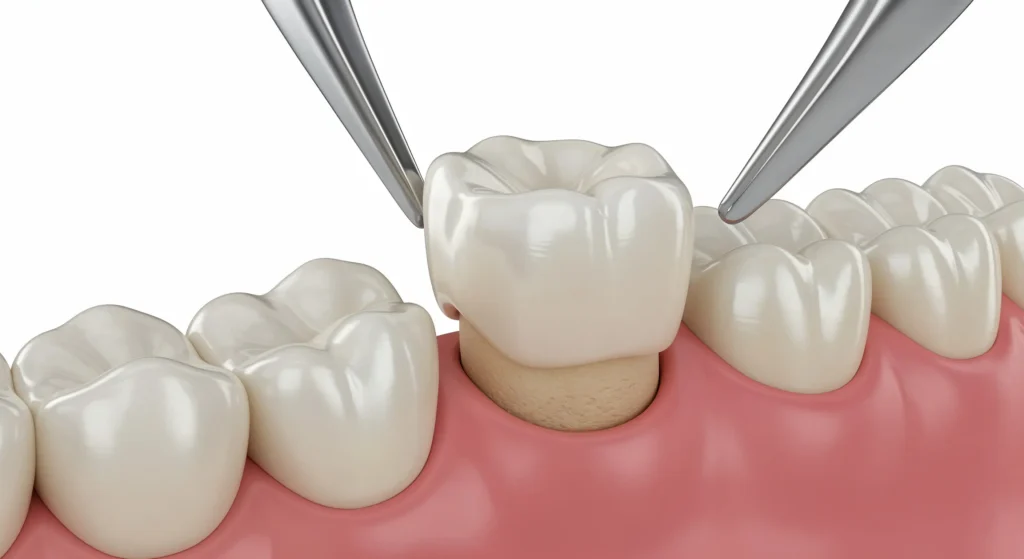
A cracked tooth is a good example. Early on, it may need only a crown to prevent the crack from spreading. If treatment is delayed and the crack reaches the pulp, the same tooth may need a root canal and crown. If it splits below the gumline, it may become non-restorable. What could have been scheduled calmly during business hours becomes a painful Friday night decision.
Wisdom teeth can follow a similar pattern. A partially erupted wisdom tooth may trap debris under the gum and cause recurring inflammation. Patients often describe a cycle of soreness that settles and returns. Eventually the area can swell, become difficult to clean, and trigger significant pain during a weekend or while traveling. Timely evaluation does not always mean immediate removal, but it gives space for planning instead of scrambling.
Dental anxiety adds another layer. People who are nervous about treatment tend to wait until the problem is severe enough that treatment becomes more invasive, which then reinforces the fear. Breaking that cycle early, with a dentist who communicates well and offers realistic comfort options, is one of the smartest preventive steps a nervous patient can take.
What deserves prompt attention before it becomes urgent
There is a useful middle ground between “ignore it” and “go tonight.” Certain symptoms are not necessarily a full emergency, but they do justify calling your dentist soon rather than watching and waiting.
- Pain when biting that lasts more than a day or two
- A chipped tooth with sharp edges or temperature sensitivity
- Swelling of the gum, cheek, or jaw, even if mild
- A crown or filling that feels loose
- Bleeding gums that have increased or become localized and tender
These are the situations that often tip into emergency territory when left alone. A quick weekday appointment can prevent a long, painful night later.
Home care choices that genuinely lower risk
There is no shortage of products marketed as essential for oral health. Most are optional. A few habits and tools provide the bulk of the benefit.
Use a soft-bristled toothbrush and replace it before it splays. A worn brush cleans poorly and encourages extra force. If technique is inconsistent, an electric brush with a pressure sensor can help. Not because it is high-tech, but because it corrects a common mistake in real time.
Be selective about whitening products. Overuse of abrasive pastes, aggressive strips, or online “hacks” can create sensitivity that masks deeper issues or makes patients postpone proper evaluation. Whitening has a place, but it should not come at the expense of enamel health.
If you are prone to cavities, think beyond brushing. Ask about fluoride varnish, prescription toothpaste, xylitol products, or sealants for vulnerable grooves. Adults can benefit from sealants too, especially on deep molars that collect plaque easily.
People with orthodontic retainers, aligners, bridges, implants, or partial dentures need more tailored routines. Appliances create plaque traps, and those areas fail faster when cleaning is generic instead of specific. A short demonstration in the dental chair often changes compliance more than a page of instructions ever will.
A realistic emergency kit is worth having
Preparation will not stop every dental problem, but it can keep a bad situation from getting worse while you wait for care. This matters for families with children, travelers, people who grind, and anyone with a history of crowns or breakage.
- Keep your dentist’s number and after-hours instructions easy to find
- Have temporary dental cement from a pharmacy for a lost crown, if advised
- Store gauze, a small container with a lid, and over-the-counter pain relief at home
- Save the number of a local Emergency Dentist in case your regular office is unavailable
- Use a sports mouthguard consistently if trauma risk is part of your routine
A kit is not a substitute for treatment, but it reduces panic and buys time. For example, a dislodged crown that is kept clean and protected has a better chance of being re-cemented promptly than one that is lost in a napkin at dinner.
Children, teens, and older adults each have their own risks
Prevention is never one-size-fits-all. Young children are more vulnerable to falls, sports injuries, and cavities driven by frequent snacking or bedtime milk and juice habits. Parents sometimes underestimate how quickly small cavities in baby teeth can turn painful. Those teeth matter for chewing, speech, space maintenance, and a child’s willingness to eat and sleep comfortably.
Teenagers often bring a different mix of risks: contact sports, braces, energy drinks, skipped hygiene, and erupting wisdom teeth. Orthodontic patients are especially prone to plaque buildup around brackets and between wires. A few months of poor cleaning can set up both white spot lesions and gum inflammation that become much harder to reverse later.
Older adults may deal with recession, dry mouth from medications, root decay, aging restorations, and dexterity limitations that make home care harder. A patient who managed fine with standard brushing for decades may need adapted tools later, such as wider-handled brushes, floss holders, or a water flosser. Pride sometimes gets in the way here. But changing tools is not failure. It is sensible adjustment.
When a same-day call matters
Preventing emergencies does not mean pretending every symptom can wait. Sound judgment is part of prevention too. Swelling that spreads, fever with dental pain, trauma involving a knocked-out adult tooth, uncontrolled bleeding, difficulty swallowing, or trouble opening the mouth significantly are situations that need prompt professional guidance. Some of them may require an Emergency Dentist immediately, and some cross into medical emergency territory depending on breathing, facial swelling, and systemic symptoms.
The key is not to self-diagnose too confidently. People are generally good at noticing that something feels wrong and less good at estimating how serious it is. If there is visible swelling or escalating pain, call. If the office is closed, use the after-hours line. If breathing or swallowing becomes difficult, seek urgent medical care without delay.
The most effective strategy is boring, and that is exactly why it works
There is no single trick that guarantees you will never need urgent dental care. Teeth are subject to biology, wear, accidents, and age. But most midnight crises are not random bolts from the blue. They are the end point of smaller problems that were missed, postponed, or underestimated.
The people who avoid those nights tend to do a handful of unglamorous things well. They stay consistent with home care. They protect their teeth if they grind or play sports. They keep up with exams even when nothing hurts. They act on small symptoms before they become major ones. They understand that prevention is not about perfection. It is about shortening the gap between first sign and first action.
That approach saves more than money. It protects sleep, workdays, family plans, and peace of mind. It keeps dental problems in ordinary office hours, where they are easier to diagnose, easier to treat, and far less likely to turn into a frantic search for an Emergency Dentist when the rest of the house is asleep.
Simple Dental South Gate
Address: 8617 California Ave, South Gate, CA 90280
Phone number: +13236896118
FAQ About Emergency Dentist Southgate CA
What can the ER do for a tooth?
The emergency room can provide temporary symptom relief for a bad tooth, such as prescribing pain medicine or antibiotics, but it cannot fix the actual dental problem.
What is the 3-3-3 rule for tooth infection?
The 3-3-3 rule for a toothache or infection typically means taking three 200 mg ibuprofen tablets (600 mg total) three times a day for no more than three days to control pain and swelling while waiting to see a dentist.
What do you do if you have a dental emergency but no dentist?
If you have a dental emergency and no regular dentist, you should search for an urgent care dental clinic, call local walk-in dental offices, or go to a hospital emergency room if you have severe bleeding, swelling, or trouble breathing.