Invisalign for Adults: Straighten Your Smile Discreetly
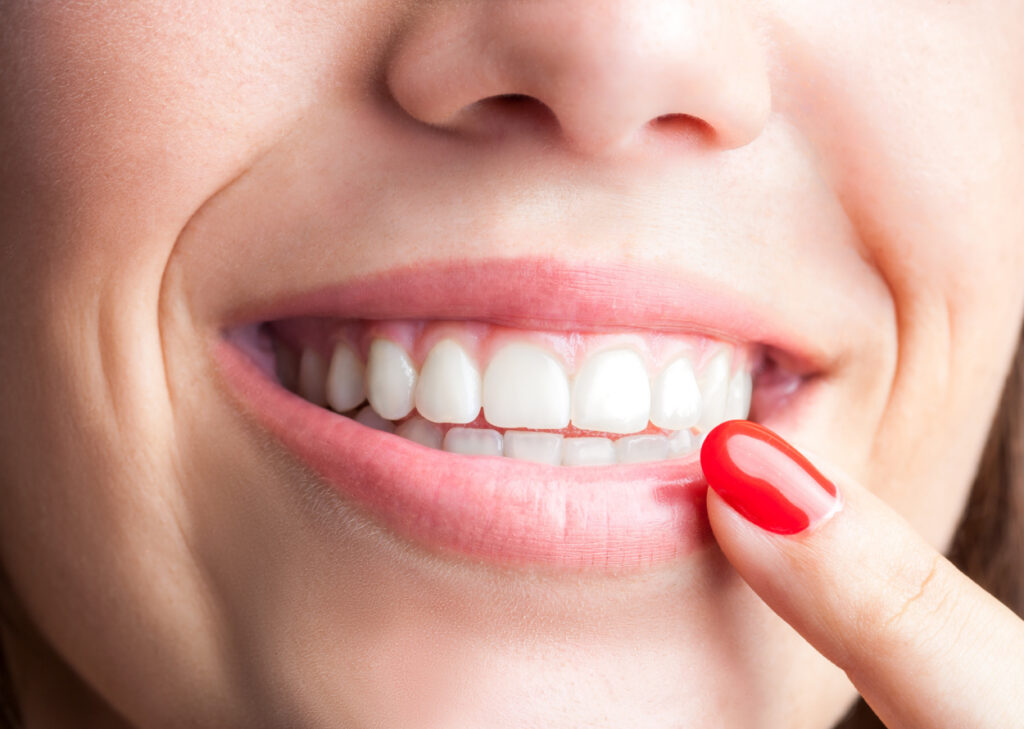
Adult orthodontics has changed dramatically over the past two decades. Not long ago, many people assumed braces were something you either got in middle school or never pursued at all. That old thinking left a lot of adults living with crowding, gaps, bite problems, or teeth that had shifted years after childhood treatment. Invisalign helped change that picture. It gave adults a way to improve alignment without the look and feel of traditional metal braces, and for many patients, that difference mattered enough to finally make treatment feel possible.
The appeal is easy to understand. Adults are often balancing careers, client meetings, family obligations, social events, and an understandable reluctance to draw attention to dental treatment. They want something effective, but they also want to feel comfortable speaking, smiling, and showing up in professional settings without feeling self-conscious. Invisalign meets that need well, though it is not a magic fix and it is not ideal for every case. The adults who do best with it usually understand both the benefits and the responsibilities before they start.
Why adults seek orthodontic treatment later in life
Very few adults come in simply because they woke up one day and wanted a straighter smile for aesthetic reasons alone. More often, the decision is layered. Some had braces as teenagers and stopped wearing retainers, only to watch their teeth gradually drift. Others never had the chance to address alignment when they were younger. Some are preparing for major life events, professional visibility, or restorative dental work such as veneers, crowns, or implants, and they want a better foundation first.
There is also a practical side that often gets overlooked. Crooked or crowded teeth can be harder to clean thoroughly, especially around tight overlaps. Bite issues can contribute to uneven wear, chipping, or strain on certain teeth. In some adults, alignment problems make cosmetic dentistry more complicated than it needs to be. A patient may ask for bonding or veneers to hide a crooked smile, only to learn that moving the teeth into a better position first leads to a more conservative and longer-lasting result.
Adults tend to be more deliberate decision-makers than teenagers. They ask sharper questions, care deeply about scheduling and total cost, and want to understand what daily life will actually feel like during treatment. That is a good thing. Invisalign rewards informed, consistent patients.
What Invisalign actually is
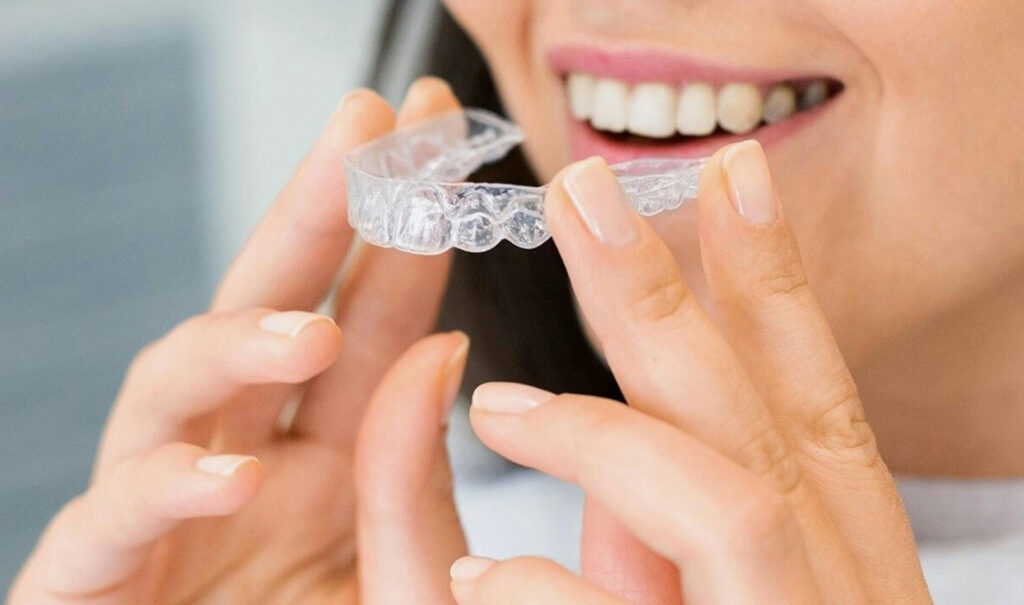
Invisalign is a system of clear, removable aligners designed to gradually move teeth through a sequence of small, controlled changes. Each set of aligners is custom-made, usually worn for about one to two weeks, and then replaced with the next set in the series. Over time, those small movements add up to meaningful change.
The aligners are made from smooth transparent plastic, and they fit closely over the teeth. Most people will still notice them if they are looking closely, especially at conversational distance in good lighting, but they are far less conspicuous than brackets and wires. For adults who spend a lot of time on video calls, in sales, in leadership roles, or simply around people all day, that reduced visibility can make a real difference in confidence.
It is worth being clear about what the word "discreetly" means here. Invisalign is subtle, not invisible. Some patients also need small tooth-colored attachments bonded to certain teeth to help the aligners grip and direct movement. These attachments are much less noticeable than braces, but they can still be seen at close range. A good provider explains that upfront so expectations stay realistic.
The adult advantage, and the adult challenge
Adults often make excellent Invisalign candidates because they are motivated. They have chosen treatment for their own reasons, they tend to keep appointments, and they usually understand that consistency matters. But adulthood brings its own obstacles.
Clear aligners only work well when they are worn as prescribed, usually around 20 to 22 hours a day. That sounds manageable until real life enters the picture. Coffee on the commute, lunch meetings, afternoon snacks, dinner out, a glass of wine, travel, late nights, and the occasional forgotten aligner case can chip away at wear time faster than people expect. Teenagers may need reminders from parents. Adults need systems.
One of the most common patterns I see in adult patients is strong compliance during the first month, followed by casual slippage once the novelty wears off. Missing an hour here or there feels harmless. Repeating that pattern daily can lead to aligners not fitting properly, treatment delays, and refinements that extend the process. The patients who stay on track are not necessarily more disciplined by nature. They usually just build treatment into their routines early.
What Invisalign can treat well
Invisalign has become far more capable than it was in its early years. Many adult cases that once would have required fixed braces can now be managed very effectively with aligners, especially in the hands of an experienced provider. Mild to moderate crowding, spacing, relapse after earlier orthodontic treatment, and certain bite corrections often respond well. Some more complex cases can also be treated successfully, sometimes with additional tools such as elastics, attachments, or staged planning.
That said, the question is not whether Invisalign can move teeth. It can. The more important question is whether it can move your teeth predictably and efficiently enough to be the right choice. Certain movements remain more challenging with removable aligners than with braces. Significant rotations, severe bite discrepancies, impacted teeth, or cases involving substantial vertical movement may call for a different approach or at least a candid discussion about trade-offs.
A thoughtful consultation should not feel like a sales pitch. If every case is presented as perfect for Invisalign, that is usually a red flag. Good treatment planning depends on diagnosis, not branding.
What the process feels like from the patient side
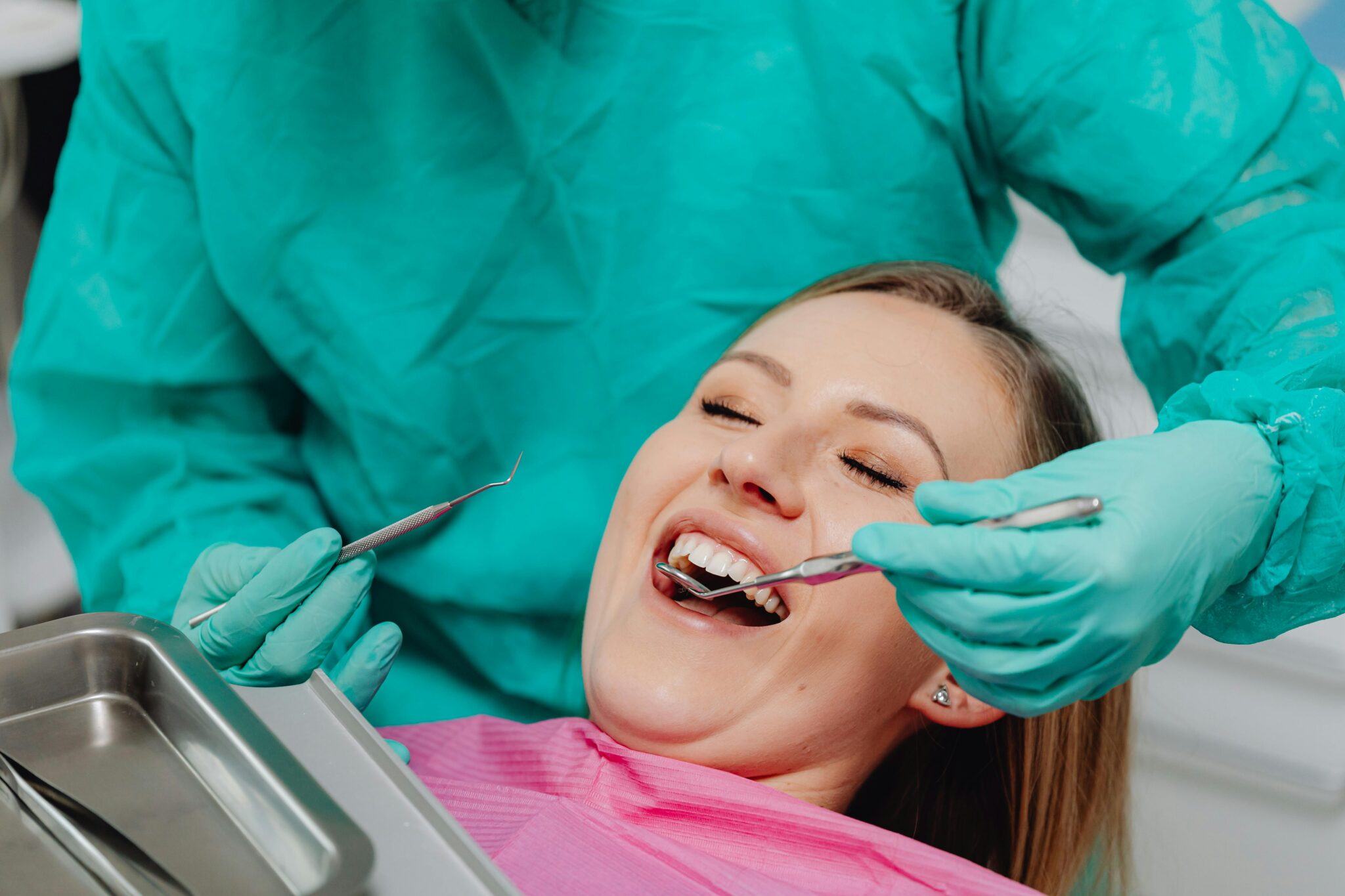
The first visit usually includes photos, a digital scan or impressions, and an exam focused on tooth position, gum health, bite relationships, and overall dental condition. Many adults are surprised by how much planning happens before the first aligner is even delivered. That planning matters. A beautiful simulation on a screen is useful, but it is still only a plan. Teeth move in living bone, not software.
Once treatment begins, each new aligner set typically brings a day or two of pressure. Most adults describe it as soreness rather than pain, often most noticeable when removing the aligners or biting into firmer foods. Compared with wire adjustments in braces, many patients find Invisalign more comfortable. There are no metal brackets rubbing the cheeks, no poking wires, and fewer urgent repair visits. Still, clear aligners are not sensation-free. If they are doing their job, you will feel them.
Speech changes are usually mild and temporary. A slight lisp can happen early on, especially with sounds like "s" or "sh," but most adults adapt quickly, often within several days. People who talk for a living, attorneys, executives, consultants, teachers, therapists, broadcasters, usually care about this a great deal. The best advice is simple: wear them and speak normally. The tongue adjusts faster when it gets repetition.
Eating is one of Invisalign's biggest quality-of-life advantages. Because the aligners come out, there are no food restrictions in the same way there are with braces. Apples, crusty bread, popcorn, nuts, and salads are all still on the table. The trade-off is hygiene and logistics. You need to remove the aligners before eating or drinking anything other than plain water, then brush before putting them back in. That sounds straightforward at home. It is more inconvenient in airports, restaurants, weddings, long conferences, and road trips.
The habits that make or break success
For adults, Invisalign is often less about tolerance and more about consistency. The treatment itself is usually manageable. The habits around it determine how smooth the experience becomes.
Here are the routines that matter most:
- Wear the aligners for the prescribed hours each day, even on weekends and while traveling.
- Remove them for meals and drinks other than water, then clean your teeth before reinserting them.
- Keep the current set and the previous set with you when possible, especially if you are away from home.
- Switch to new trays on schedule unless your provider tells you otherwise.
- Use retainers faithfully after treatment, because teeth can and do shift back.
None of this is glamorous, but it is where results are won. I have seen adults with difficult cases finish beautifully because they followed instructions closely. I have also seen relatively simple cases drag on because trays spent too much time sitting in napkins, cup holders, handbags, or hotel bathroom sinks.
Discretion matters, but so does appearance during treatment
Most adults choosing Invisalign want a treatment option that does not announce itself. On that point, it usually delivers. In casual social settings, many people will not notice aligners at all unless they are told. In professional settings, they are significantly less visually disruptive than braces.
But "discreet" does not mean every moment of treatment is polished. Aligners can collect dryness around the edges if you are not drinking enough water. They can pick up staining if oral hygiene slips. Attachments can feel bulky at first and may slightly change how light reflects off the teeth. Some adults are bothered more by the attachments than by the aligners themselves, especially if they expected an entirely attachment-free experience.
There is also the practical awkwardness of removing aligners in public. Some patients do not mind at all. Others hate it and start skipping meals or delaying reinsertion. These are not trivial issues. A treatment option can be technically excellent and still be the wrong fit if it clashes with how a person actually lives and works.
Cost, timing, and what adults should realistically expect
The cost of Invisalign varies widely based on complexity, provider experience, region, and whether refinements or retainers are included. In many markets, adults can expect a total fee that falls in the same broad range as comprehensive https://devinpukm828.lowescouponn.com/how-invisalign-technology-has-changed-orthodontics braces treatment, though simple relapse cases may cost less. If a quoted fee seems dramatically lower than the local norm, ask what is and is not included. Retainers, additional aligners, attachment replacement, and follow-up visits can all affect the true price.
Treatment length also varies more than online ads suggest. Some adults finish minor corrections in several months. More involved cases may take 12 to 18 months, and complex treatment can run longer. Refinement stages are common. They are not necessarily a sign that something went wrong. They are often part of careful treatment. Teeth do not always read the script perfectly, and fine-tuning is normal.
Adults tend to appreciate candor here. If your provider says, "Best case, around nine months. More likely 12 once we account for refinements," that is usually more trustworthy than a hard promise of rapid perfection.
When Invisalign may not be the best choice
Not every adult should choose Invisalign simply because it is popular. Traditional braces still have important advantages in certain situations. Fixed appliances can provide stronger control for specific movements and remove the daily burden of remembering to wear trays. For adults who know they are inconsistent, braces may actually be the kinder choice because success depends less on personal compliance.
There are also oral health considerations. Active gum disease, untreated decay, cracked teeth, or significant restorative needs may need to be addressed before orthodontic treatment begins. Alignment can improve many things, but it should not be layered on top of unstable dental health. A good provider looks at the whole mouth, not just the crooked front teeth.
These situations deserve careful discussion before moving forward:
- You struggle with routines and suspect you will not reliably wear aligners 20 to 22 hours a day.
- Your case involves severe bite issues or movements that may be more efficient with braces.
- You have untreated dental or periodontal problems that need stabilization first.
- You grind heavily and may damage trays or create tracking issues.
- You want zero visible signs of treatment and would be disappointed by attachments or speech changes.
None of these points automatically rule out Invisalign. They simply shape whether it is the smartest option, or whether expectations need adjustment.
The role of provider experience
Adults often spend a lot of time comparing brands and not enough time evaluating the clinician. That is backward. Invisalign is a tool, not a guarantee. Outcomes depend heavily on diagnosis, case selection, treatment planning, and mid-course judgment.
An experienced provider knows when to stage certain movements, when attachments are worth using, when to add elastics, when to slow tray changes, and when a refinement is necessary rather than optional. They also know how to spot the adult patient who loves the idea of removable treatment but may not thrive with its demands. That kind of judgment can save months of frustration.
During a consultation, look for specifics. A strong provider can explain what they are trying to correct, what the limitations are, how long they expect treatment to take, and what retention will involve afterward. They should also be willing to discuss alternatives without defensiveness. If braces, limited treatment, or no treatment at all would be more appropriate, you should hear that plainly.
Life after treatment is where the real discipline begins
One of the biggest misconceptions in adult orthodontics is that treatment ends when the last aligner comes off. In reality, retention is what protects the investment. Teeth are not fixed permanently in place simply because they were moved once. They retain memory, and the surrounding tissues need time and ongoing support to stabilize.
Adults who had crowded lower front teeth before treatment are often shocked by how quickly those teeth can begin to shift if retainers are ignored. I have seen noticeable relapse happen within months. The reason is not mysterious or rare. It is normal biology.
Retainers are not an optional accessory. They are part of treatment. Most adults adapt well once they understand this from the start. The problem comes when the finishing moment is framed as freedom from all appliances forever. That is not how orthodontics works.
Why many adults still decide it is worth it
Despite the discipline involved, a large number of adults describe Invisalign as one of the more satisfying health or appearance decisions they have made. Part of that is cosmetic, of course. A straighter smile changes how people feel in photos, meetings, and everyday conversation. But there is often something deeper behind that satisfaction. Many adults have delayed this decision for years. Finishing treatment can feel like finally dealing with a long-standing source of self-consciousness rather than simply checking off a cosmetic goal.
It is also one of the few dental treatments that people see developing gradually in real time. Around the third or fourth month, many patients start noticing that crowded edges are leveling out or a gap is closing in a way that photographs did not fully capture before. That steady progress can be surprisingly motivating.
The adults who are happiest at the end usually share three traits. They chose treatment for their own reasons, they understood the routine before starting, and they worked with a provider who was honest about what Invisalign could and could not do.
A practical way to decide
If you are considering Invisalign, the best next step is not to ask whether it is "better" than braces in a general sense. The more useful question is whether it is the right tool for your teeth, your schedule, your habits, and your expectations. For many adults, it is. It offers a discreet, flexible, and effective path to meaningful orthodontic improvement. For others, another option will be more predictable or less demanding.
What matters most is a plan grounded in your actual case rather than marketing language. Adult patients tend to value results, efficiency, and minimal disruption. Invisalign can meet those goals very well, provided the case is well chosen and the patient is ready to participate fully.
A discreet treatment is appealing. A well-executed treatment is what makes the difference.
Omni Dental Specialty
Address: 1690 E Gonzales Rd, Oxnard, CA 93036
Phone number: +18053666000
FAQ About Invisalign
How much does Invisalign actually cost?
The out-of-pocket cost for Invisalign typically ranges between $3,000 and $8,000, with most patients paying a national average of roughly $5,100 to $5,700 before insurance.
What is the downside to Invisalign?
The biggest downsides to Invisalign are the intense discipline required to wear the trays 22 hours a day, the inconvenience of removing them to eat or drink, and the inability to fix severe, complex orthodontic issues.
Is $5000 a lot for Invisalign?
No, $5,000 is not considered a lot for Invisalign; it is exactly the national average. Treatment costs typically fall between $3,000 and $8,000, and $5,000 is the standard fee for a moderately complex case that takes 6 to 18 months to complete.