What Every Patient Should Know About Visiting a General Dentist

For many people, a visit to a general dentist sits in a strange category of routine care. It is common, often brief, and easy to postpone. At the same time, it carries a surprising amount of anxiety. Patients worry about pain, cost, judgment, bad news, and the possibility that a “simple checkup” will suddenly turn into a long treatment plan. Those concerns are understandable. They also tend to fade when people know what a general dentist actually does, what happens during a visit, and how to tell whether the care being recommended makes sense.
A good dental appointment should feel clear, respectful, and practical. You should understand why the dentist is checking certain areas, what a hygienist is looking for, why X-rays may or may not be needed, and what your choices are if a problem turns up. The more informed you are, the easier it becomes to make sound decisions about your health instead of reacting from stress.
What a general dentist really does
A general dentist is the main point of entry for most dental care. Think of this role the way many people think of a primary care physician. The general dentist handles prevention, diagnosis, routine treatment, and ongoing monitoring. That includes cleanings, fillings, exams, X-rays, gum health assessments, crowns, basic emergency care, and referrals when a problem falls outside the scope of routine practice.
Patients sometimes assume dentists spend most of their day “fixing cavities.” In practice, much of the work is diagnostic and preventive. A general dentist watches for subtle changes over time, such as enamel wear, early gum inflammation, small cracks in teeth, bite changes, grinding patterns, dry mouth, and suspicious tissue changes inside the mouth. These details matter because dental problems are often easier, cheaper, and less invasive to treat when found early.
This is one of the biggest misunderstandings about dental visits. People tend to wait until they feel pain. By then, the issue is no longer early. A tiny cavity that could have been handled with a small filling may have progressed to a much larger restoration, or even a root canal if decay reaches the nerve. Gum irritation that seemed minor can quietly deepen into periodontal disease. Teeth are good at hiding gradual trouble until the cost of neglect becomes hard to ignore.
The first thing to know, regular visits are not all the same
Many patients have absorbed the idea that everyone should go every six months, no questions asked. That interval works for a lot of people, but not all. Recall schedules are based on risk, not tradition alone.
Someone with excellent home care, low cavity risk, stable gum health, and no history of complex treatment may do well on a typical six month schedule. Another person with heavy tartar buildup, frequent cavities, smoking history, diabetes, dry mouth from medication, or past gum disease may need more frequent cleanings and monitoring. A patient in orthodontic treatment often needs extra attention simply because braces and aligners create new plaque traps.
That difference matters because it helps you judge whether a recommendation is thoughtful or generic. A dentist who explains, “Your gums are inflamed in a few areas and you build tartar quickly behind the lower front teeth, so I’d like to see you every four months for a while,” is giving a clinical reason. That is very different from a vague push toward more visits without context.
What typically happens during an appointment
Even routine visits vary from office to office, but most follow a recognizable flow. There is usually an update of your medical history, a review of medications, vital details about symptoms or changes, then radiographs if needed, followed by a cleaning, exam, and discussion.
The medical history portion deserves more attention than many patients give it. A general dentist is not merely collecting paperwork. Changes in your health can directly affect your mouth and your treatment options. Blood thinners may influence surgical planning. Diabetes can affect healing and gum health. Certain osteoporosis medications matter when extractions are being considered. Dry mouth caused by antidepressants, antihistamines, or blood pressure medication can sharply raise cavity risk. Pregnancy can shift gum sensitivity and treatment timing. These are not trivial details.
The cleaning portion is often the most familiar part, but it also causes confusion. Not every cleaning is the same. A standard preventive cleaning is appropriate when the gums are relatively healthy and buildup is above the gumline or only mildly below it. If gum pockets are deeper and disease is present, the office may recommend a more involved periodontal cleaning approach. Patients sometimes feel blindsided by this because they expected “just a cleaning.” The important question is not whether the name sounds more serious, but whether the clinical findings support it.
The exam itself may be quick in clock time but broad in scope. A thorough general dentist is checking the teeth, existing fillings and crowns, gum condition, bite, jaw movement, wear patterns, soft tissues, tongue, cheeks, palate, and signs of oral cancer or precancerous changes. If you clench at night, the first evidence may show up as flattened chewing surfaces or tiny fracture lines. If acid reflux is affecting your enamel, the wear pattern often tells that story before a patient does.
X-rays are useful, but they are not automatic forever
Many people ask whether they really need X-rays at every visit. The honest answer is no, not always. Dental radiographs should be based on clinical need, history, and risk. A patient with a recent full set of images, no symptoms, and low disease risk may not need extensive imaging again soon. A patient with frequent decay between the teeth, a broken restoration, or pain when biting may need images sooner.
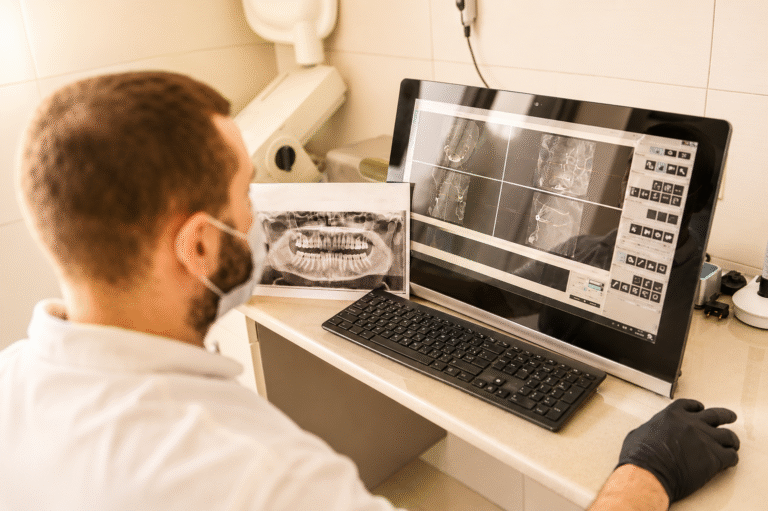
Bitewing X-rays are especially valuable for catching decay between teeth, an area the naked eye often misses. Periapical images help when a specific tooth is painful or a root issue is suspected. Panoramic imaging offers a broader view and may be useful for wisdom teeth, jaw concerns, or a general survey. None of this is mysterious once someone takes a moment to explain what the image is expected to show.
If you are ever unsure, ask a direct question: “What are you looking for with this X-ray today?” In a well run practice, that question should never be treated as a challenge. It is a reasonable part of informed care.
Why small symptoms deserve attention
One of the most costly habits in dental care is dismissing symptoms because they come and go. A tooth that only hurts when you chew nuts, a brief zing with cold water, bleeding that seems to happen “only when flossing,” a rough edge you notice with your tongue, morning jaw tightness, bad breath that persists despite brushing, these details matter.
A patient once described a back tooth as “annoying, not painful.” That distinction delayed her visit for nearly eight months. When she finally came in, a cracked filling had allowed decay to spread under the tooth structure. What might once have been a modest replacement filling ended up requiring a crown. The tooth was still saveable, but the timeline changed the cost, complexity, and stress.
Dentistry often works on a spectrum rather than a dramatic on or off switch. Subtle symptoms are part of the data. They are worth mentioning even if they sound minor to you.
Your home care affects more than your next cleaning
Patients sometimes hear oral hygiene advice so often that it turns into background noise. Brush twice a day. Floss daily. Limit sugar. Use fluoride. That advice is basic because it is effective, not because it is trivial.
The important nuance is that home care should match your actual risk. A patient with tight, healthy contacts between teeth may do well with floss. Another with bridges, implants, or larger spaces may need interdental brushes or a water flosser in addition to floss. Someone who gets frequent cavities might benefit from prescription fluoride toothpaste. A person with dry mouth may need saliva supporting products and more disciplined hydration habits. Brushing hard is not better, either. Aggressive technique can wear away enamel and gum tissue over time, especially near the gumline.
This is where a good general dentist can be especially helpful. The most effective advice is specific. “Keep doing what you’re doing” is fine when everything is stable. But if you are repeatedly getting decay around old fillings or inflammation around lower molars, the home care conversation should become more tailored and practical.
What to bring and what to mention
Patients often think preparation means arriving a few minutes early and having insurance information ready. That helps, but the more useful preparation is clinical. If something has changed, say it. If a tooth only hurts when you eat on one side, mention the pattern. If you had swelling three weeks ago that then disappeared, bring that up. If a crown done elsewhere has never felt quite right, do not wait for the dentist to discover it by accident.
A short checklist can make the visit more productive:
- A current medication list, including supplements
- Details about symptoms, such as when they started and what triggers them
- Information about recent medical diagnoses, surgeries, or pregnancy
- Your dental insurance card, if applicable
- Questions about treatment, timing, or cost that you do not want to forget
That may seem simple, but it changes the quality of the appointment. Dentistry is part detective work, and small clues from the patient often matter more than people realize.
Cleanings are not just cosmetic
A surprising number of patients view cleanings as a polishing service, something like maintenance on appearance. The polishing is the least important part. The real value lies in plaque disruption, tartar removal, gum monitoring, and trend tracking.
Gum disease often progresses quietly. Early gingivitis may cause bleeding and puffiness, but not much discomfort. More advanced periodontal disease can involve bone loss around teeth, deeper gum pockets, bad breath, drifting teeth, and eventually looseness. Because the process is gradual, patients are often shocked when they hear that the gums have been deteriorating for some time.
Routine hygiene visits give the office a way to measure and compare. Are pockets stable or deepening? Is bleeding improving? Is a patient cleaning well around crowns and implants? Are certain areas always inflamed? These are not cosmetic observations. They are the data points that help preserve teeth for decades.
Treatment plans should make sense, not just sound expensive
Few moments in dentistry create more distrust than hearing you need “a lot of work” without understanding why. Some treatment plans are extensive because the disease is extensive. Others may reflect differences in philosophy, urgency, or available options. The key is whether the explanation is clear and grounded in what can actually be seen and demonstrated.
If a general dentist recommends treatment, you should know the diagnosis, the reason for treatment, the likely outcome of waiting, and whether there are alternatives. A small cavity may be reasonable to monitor in one patient and wise to restore in another, depending on location, progression, and risk profile. A cracked tooth may need a crown promptly if the structure is compromised, but a superficial craze line may simply be observed. Not every watch area becomes a drilling appointment.
It is also reasonable to ask about sequencing. If you need multiple procedures, what should happen first? If finances are a factor, which issues are urgent and which can wait safely? Competent care includes clinical judgment, but it should also include practical planning.
When a second opinion is wise
Most dental recommendations are straightforward, but there are times when a second opinion is sensible. That does not mean you distrust the first dentist. It means the decision has enough weight, cost, or uncertainty to justify another clinical perspective.
A second opinion is especially useful when:
- A treatment plan is large and you do not understand the rationale
- A tooth has conflicting options, such as root canal versus extraction
- Symptoms persist despite recent treatment
- You are being told a long stable issue is suddenly urgent
- The proposed treatment feels out of step with what you are seeing or feeling
Approach it professionally. Request your X-rays and records, then ask another office for an evaluation. A reputable general dentist should not react defensively to that request. Dentistry involves judgment, and complex cases can look different from one clinician to another. What matters is whether the recommendations are consistent with the evidence in your mouth.
Fear is common, and it changes behavior more than people admit
Dental anxiety does not always look dramatic. Sometimes it is obvious fear of needles or drilling. More often, it shows up as delay, cancellation, or a tendency to minimize symptoms until the problem forces action. Patients who had painful experiences years ago may still carry the expectation that every visit will feel the same, even though techniques, local anesthetics, and communication standards have improved significantly.
If anxiety is part of the picture, say so early. Do not wait until you are already in the chair and overwhelmed. A general dentist can often adapt the appointment in simple but meaningful ways, such as explaining each step before starting, using more profound numbness, scheduling extra time, offering breaks, or discussing sedation options when appropriate. Some people do better with shorter visits that build confidence. Others prefer to complete more work in fewer appointments. The right approach depends on the patient, not a one size fits all script.
There is also a practical side to dental fear. Untreated anxiety often increases cost. The longer patients avoid care, the more likely small issues turn into major ones. Breaking the cycle early can save both stress and money.
Insurance helps, but it should not define all care
Dental insurance creates constant confusion because many patients understandably assume covered care and necessary care are the same thing. They are not. Insurance plans are financial products with annual maximums, exclusions, waiting periods, and frequency limitations. They may help with preventive care and portions of restorative work, but they do not determine what your mouth needs.
A general dentist may recommend treatment that is clinically appropriate even if your plan covers only part of it, delays it, or excludes it. That can feel frustrating, especially when patients have been paying premiums for years. Still, it is better to separate the clinical recommendation from the benefit estimate. First ask, “What is best for the tooth?” Then ask, “How will insurance apply?”
The reverse can also happen. A plan may cover a service more readily than a conservative dentist thinks is necessary at that moment. Coverage does not automatically equal urgency. The discussion should always start with diagnosis and risk.
Red flags and green flags in a dental office
Patients do not need professional training to notice whether an office inspires confidence. Certain signs consistently point in the right direction. Clear communication is one of the strongest. So is a willingness to show you the problem, whether on an X-ray, intraoral photo, or mirror. A dentist who can explain a recommendation in plain language usually understands the case well.
Pressure is the opposite of confidence. If every conversation feels rushed toward a large financial commitment, if questions are treated as resistance, or if staff members speak in vague, dramatic phrases without showing clinical findings, pause. Good dentistry can still be efficient and profitable, but it should not feel coercive.
Another green flag is consistency over time. A careful general dentist keeps records, tracks change, and refers back to prior findings. If your dentist says, “We’ve been watching this area for two years, and today I can see it has progressed,” that is a very different experience from hearing a sudden recommendation with no context.
Children, older adults, and patients with complex health needs
Dental visits are not experienced the same way across every age group. Children need calm repetition, prevention focused habits, and offices that understand behavior as well as teeth. Many early dental victories are not dramatic procedures but simple familiarity, a good first exam, smart coaching for parents, and early cavity prevention.
Older adults bring a different set of concerns. Receding gums expose root surfaces, which decay more easily than enamel. Medications often reduce saliva. Dexterity changes can make flossing difficult. Existing dental work may be decades old and beginning to fail at the margins. For these patients, a general dentist often plays a long game, preserving function, comfort, and independence rather than chasing perfection.
Patients https://jarednevq817.huicopper.com/general-dentist-care-for-children-adults-and-seniors with chronic illness, autoimmune conditions, cancer treatment history, or extensive medication lists may need even more coordination. The best care is often slower and more individualized. This is another reason why a general dentist matters. That office becomes the place where everyday oral health is managed in the context of your broader health, not in isolation.
The goal is not perfect teeth, it is durable health
A lot of people postpone seeing a dentist because they feel embarrassed. They know they have not been in for years. They expect a lecture. They worry their mouth will be judged before it is treated. The better mindset is simpler. Your job is to show up honestly. The dentist’s job is to assess, explain, and help.
Not every mouth can be made cosmetically ideal. Not every old filling must be replaced immediately. Not every stain matters. Durable health often comes from steady maintenance, timely intervention, and sensible priorities rather than aggressive work. A trustworthy general dentist understands that balance. They protect what is sound, treat what is active, monitor what is uncertain, and help you make decisions that fit both your health and your circumstances.
That is what patients should expect from routine dental care. Not mystery, not pressure, not shame. Just careful diagnosis, plain language, and treatment that holds up over time.
Smyle Dental Newhall
Address: 23754 Newhall Ave, Santa Clarita, CA 91321
Phone number: +16612559200
FAQ About General dentist
What does it mean by general dentist?
A general dentist is your primary dental care provider. They focus on the overall prevention, diagnosis, and treatment of your daily oral health needs. Think of them as your primary care doctor, but for your teeth and gums.
What is the difference between a dentist and a general dentist?
A dentist is a broad professional title for any licensed oral healthcare provider, while a general dentist is a specific type of primary care dentist who focuses on routine, preventive, and everyday treatments.
What is the difference between a dentistry practitioner and a dentist?
A dentist is a licensed doctoral-level healthcare professional, whereas a dental practitioner is a broader umbrella term that can include dentists as well as other trained oral health professionals.